Family lore
The Family Behind Reshuffle Technology
A family house, a grocery deli, a piano room, two kids after school, and cards that keep reorganizing reality.
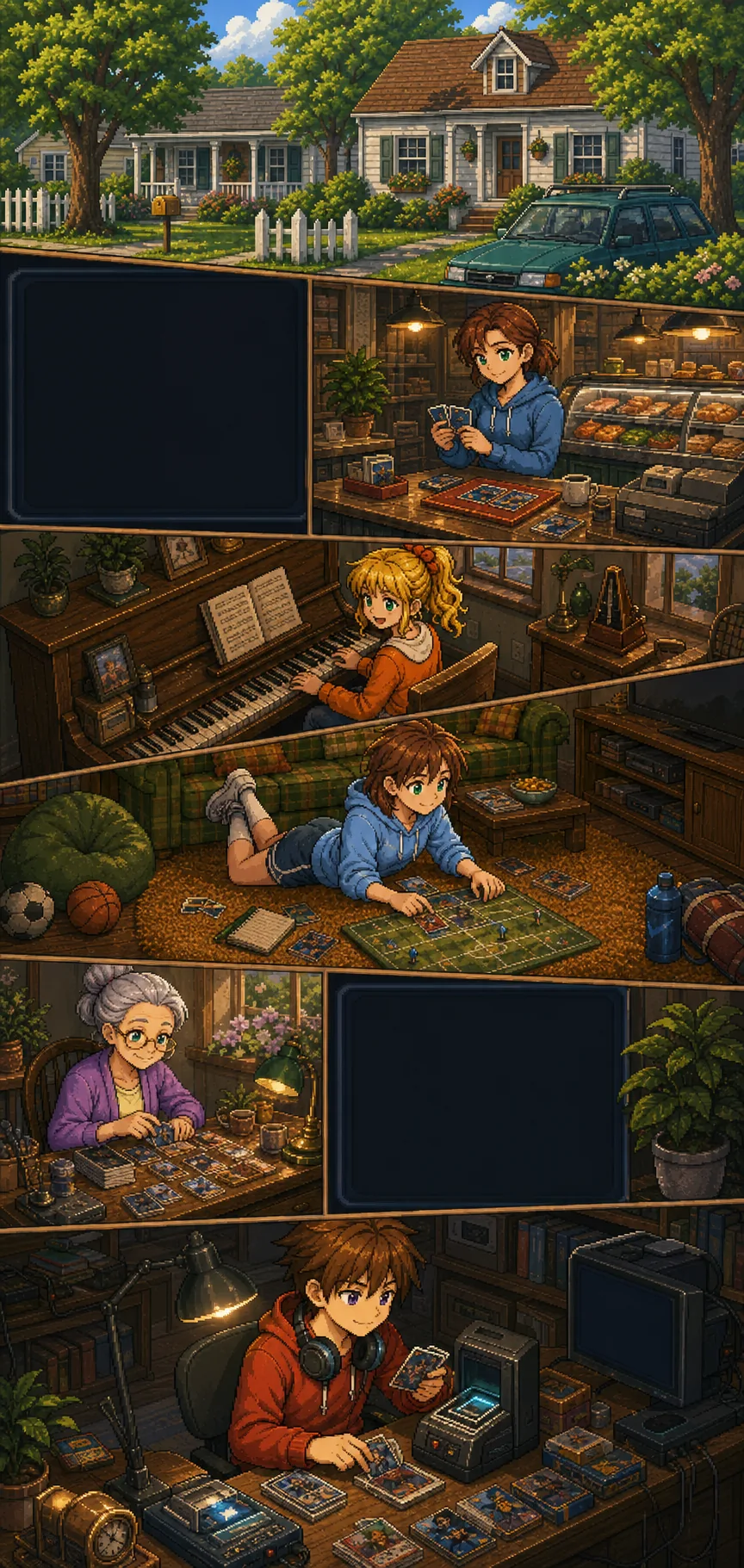
Opening credits
Previously, in a house that would not stay arranged
Before Battletaire became a fast multiplayer solitaire battler, it was a family problem with opening credits: Dad comes home with shuffle technology, Grandma listens, the house starts changing, and nobody gets to pretend cards are just cards anymore.
This page is the prologue. The character pages are the episodes: Grandma builds the reshuffler, Mom makes the table helpful, Auntie teaches it to sing, Uncle locks the shared foundations, Grandson bottles tiny chance into scratchers, and Granddaughter keeps multiplayer truth from drifting off-screen.
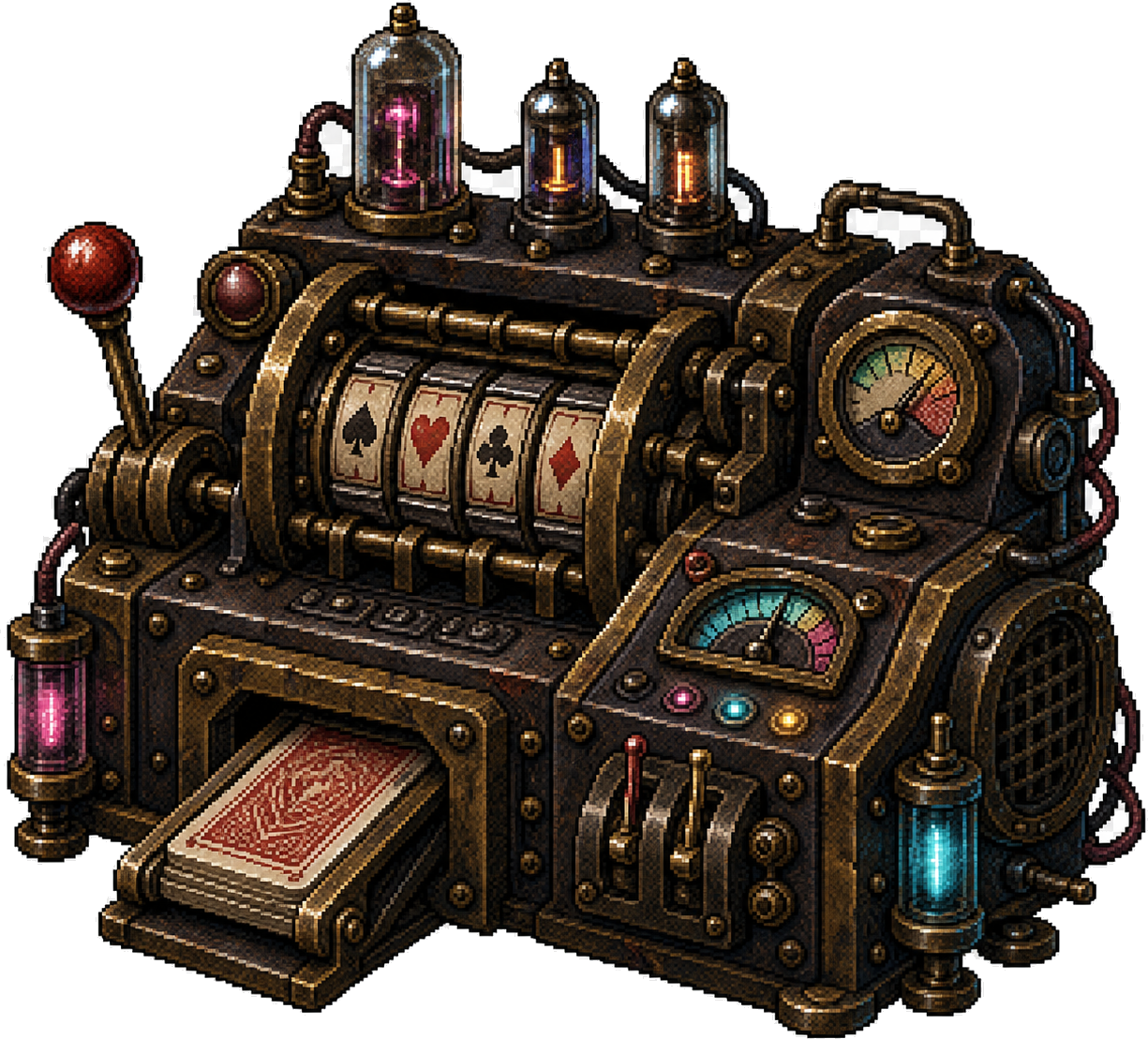 Dad's shuffle techGrandma's fixCards made it safe enough to play
Battletaire takes place in a world shaped by reshuffle technology, a strange branch of probability engineering discovered nearly 100 years ago and somehow turned into a family table sport.
Reshuffles do not create new matter or alternate universes. They reorganize existing reality into new stabilized arrangements. Small reshuffles are common and mostly harmless. Large reshuffles can alter routines, environments, relationships, emotional attachments, and probability momentum itself.
Cards and structured games became the safest interface for reshuffle experimentation. Over generations, Battletaire grew from a family testing platform into a global pastime, sport, and cultural ritual.
What reshuffle technology is
The first shuffle machines permanently reorganized systems into optimized arrangements. Object relationships stabilized, layouts became fixed, routines rewrote themselves, and systems resisted being changed back.
Reshuffle technology reopened those pathways. It made change flexible again, but repeated reshuffles could still cause probability drift, unstable rooms, harmonic distortion, memory displacement, and visual inconsistencies.
Why Battletaire uses cards
Cards gave reshuffle engineers a small, readable, structured world. A table could move, break, recover, and stabilize without risking a whole room or a whole life.
In gameplay, shared foundations act like stable probability anchors: a visible truth everyone can return to when the match starts drifting.
Episode guide
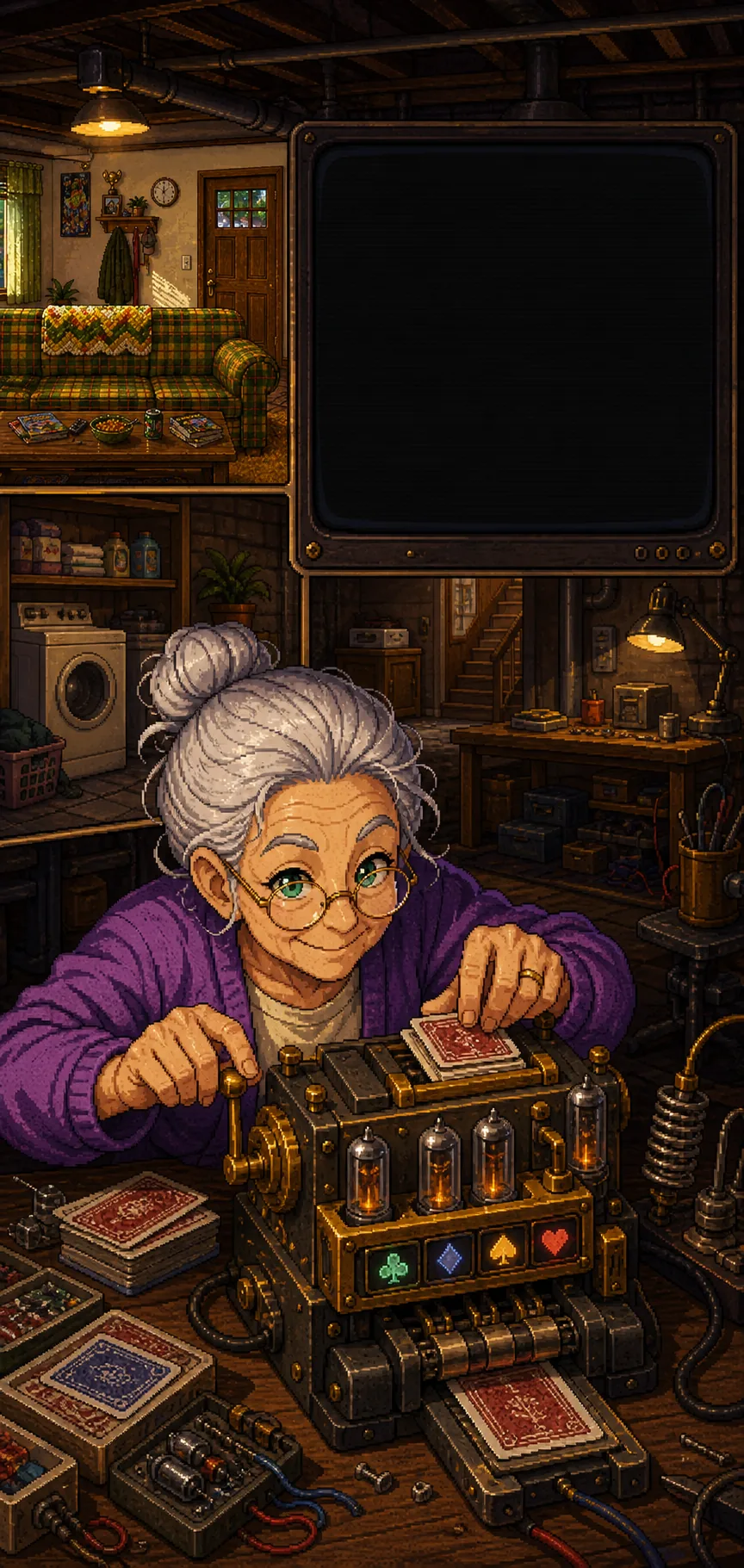
Episode 01: Grandma
Dad's shuffle machine can optimize reality, but it cannot undo itself. Grandma builds the reshuffler because permanent change is starting to hurt people.
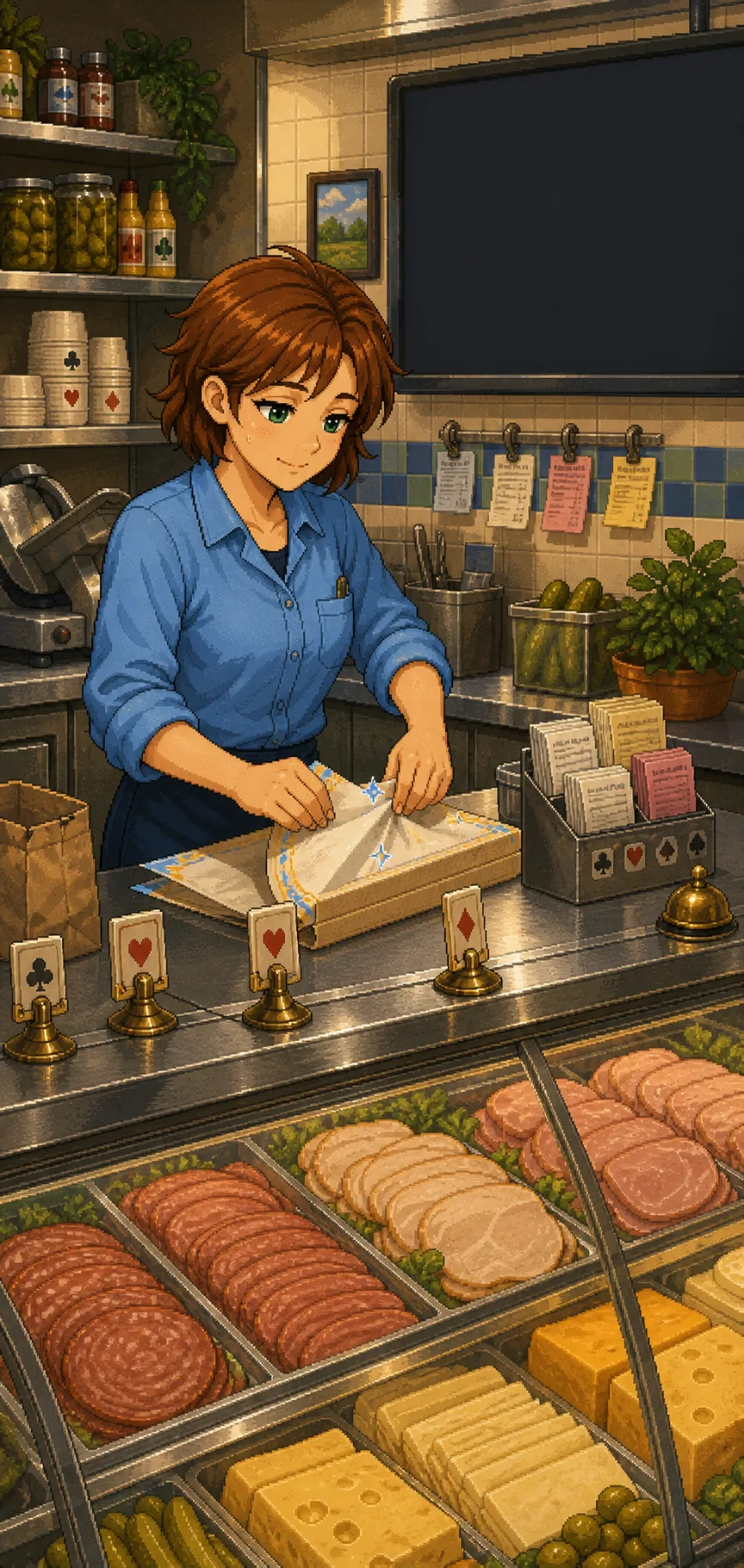
Episode 02: Mom
The table is too hostile for normal hands. Mom adds hints, helpers, safe returns, and legal-move protection so players can actually learn.
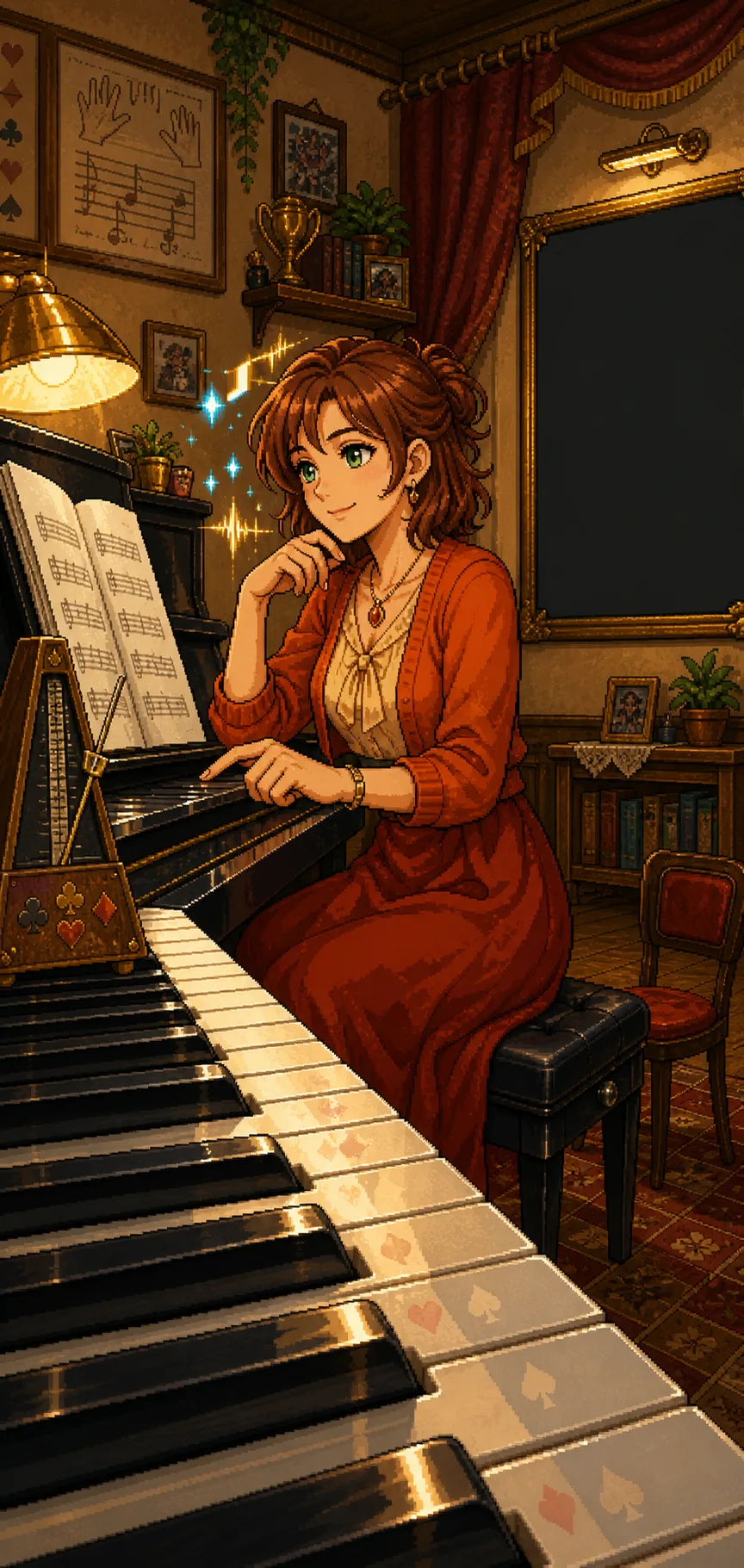
Episode 03: Auntie
The reshuffler makes sounds before anyone understands what changed. Auntie turns the noise into musical warnings, combo rhythm, and pressure.
Episode 04: Uncle
Too much reshuffling makes people lose the thread. Uncle locks shared foundations so every match has one stable truth to fight over.
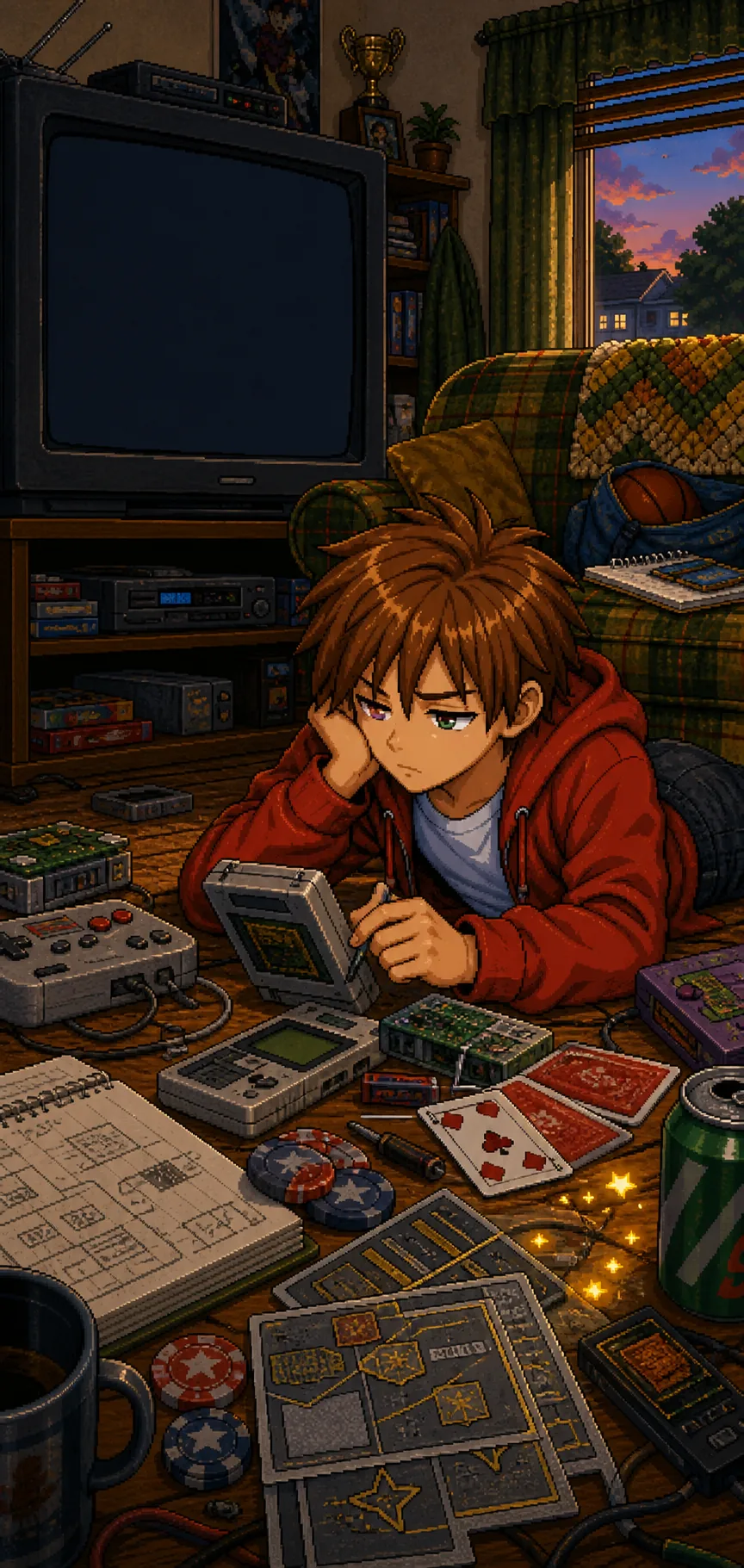
Episode 05: Grandson
Not every probability release needs to shake the room. Grandson invents scratcher tech for tiny controlled bursts of surprise.
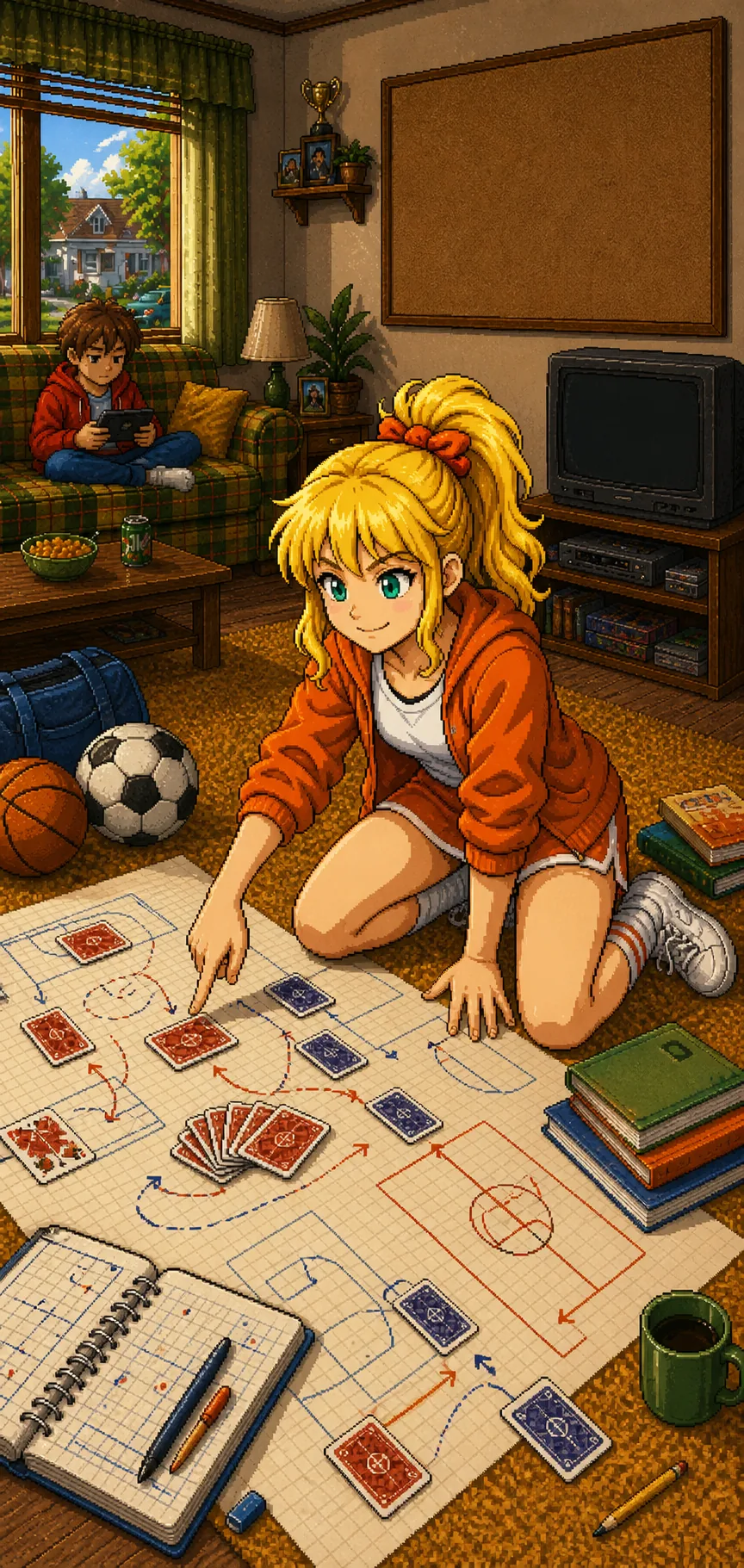
Episode 06: Granddaughter
Multiplayer gets loud, records get slippery, and players argue. Granddaughter keeps rankings, identity, and match outcomes anchored.